
Quilts are very personal and live in a very intimate place in our lives. They are handmade with great investments of time and energy and given in love. They are meant to comfort, warm,and wrap the recipient in a most personal way. That being said,we love them-sometimes ‘til threadbare. If I have gifted you a quilt, please wear it out, use it,wash it, love it to pieces. Nothing makes me happier than seeing one of my quilts in the background of the people I care about lives being lived.
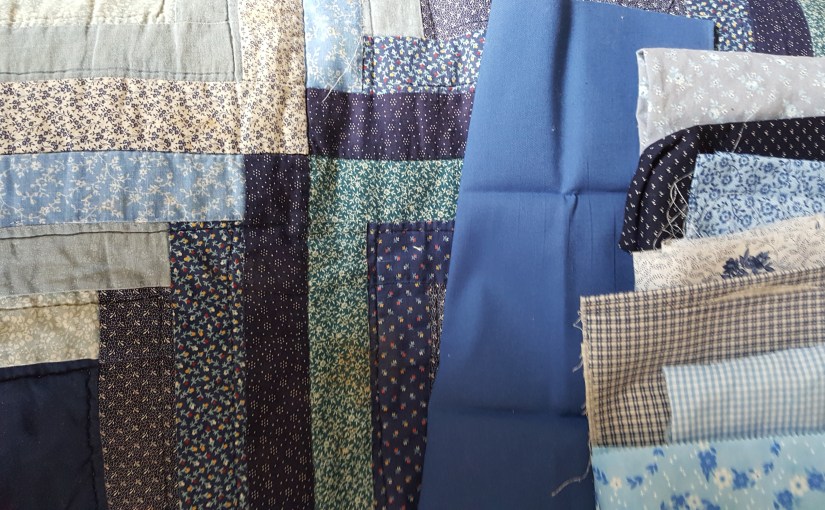
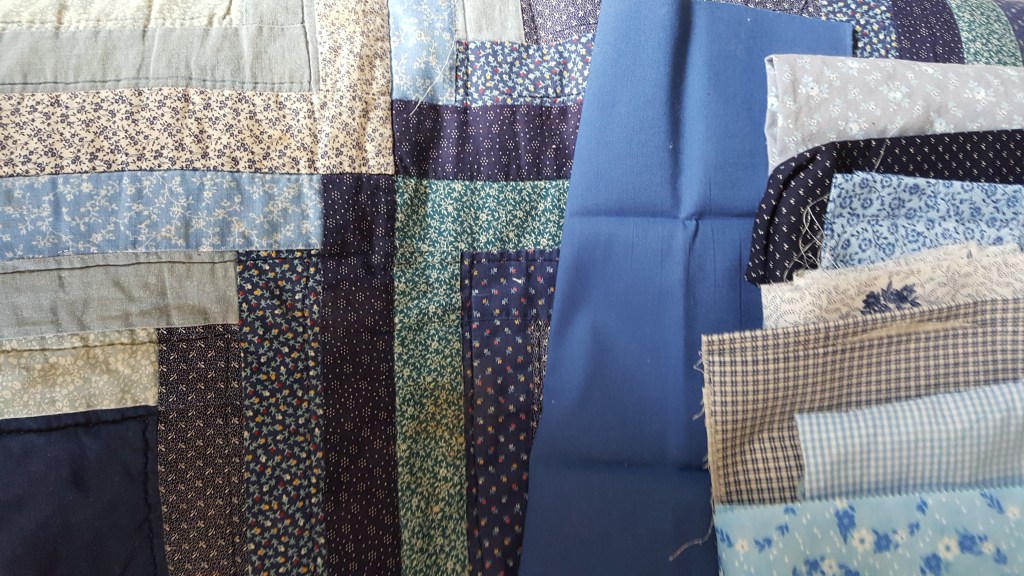
I have a dear friend that received a quilt as a wedding gift 30+ years ago from the bride’s family. It has adorned the bed where they have slept, cared for each other through illness and health, cuddled their children, and probably created said children (wink). It is threadbare in places and needs a new binding. I trooped home with it, started the fabric selection process to as closely match the existing as possible, and designed a few new blocks to commemorate the love it represents and the journey the quilt and my friends have been on through the years. This is what she asked for and what I am executing; however, it occurred to me not all quilts should be mended.
I think about the museum quilts and that they were once loved personal belongings, too –what separates what to mend and what to leave in its original vintage? Okay,time for a hard and fast rule. I will not mend, alter, or otherwise change a quilt made prior to 1950. That is my rule and not applicable to anyone else. My thoughts on this are -they are antique. If you love a quilt which is that old, and it has survived to this point -put it on display, put it in a cedar chest, and preserve it. Fabrics milled from this point in time are not easily acquired and replications are not the same and would diminish the quilt. If you have the good fortune to have a quilt that you know its providence, make a note, have a label made, and have the foresight to understand 100 years from now someone will be interested.That little clue will aid in the investigation. Modern made quilts are to be considered on a case-by-case basis. The quilts made by my Grandmothers cannot be replaced and are cherished as much for the talents in quilting as the finished product itself. Finding one of Mamaw’s sharps (needles) in the quilt means she was distracted and approaching the end of her days when it was being completed. I cherish that little find! My dear friend wanting her wedding quilt mended is a personal decision for her to continue using this beloved item well into the next three decades of their journey. I try to utilize everything to its highest potential and that means mending, re-purposing, and up-cycling whenever possible. That being said,there are just somethings which need to be left alone in their original form.
So what do I mean? Think about your quilt and its place in history, what it means and to whom. Love them, use them,and live your journey with them in the background-silent witnesses to the lives we love. Thank you, as always for spending some time with This Lil Pig Studios!
 This Lil Pig Studios