What Am I Thinking?
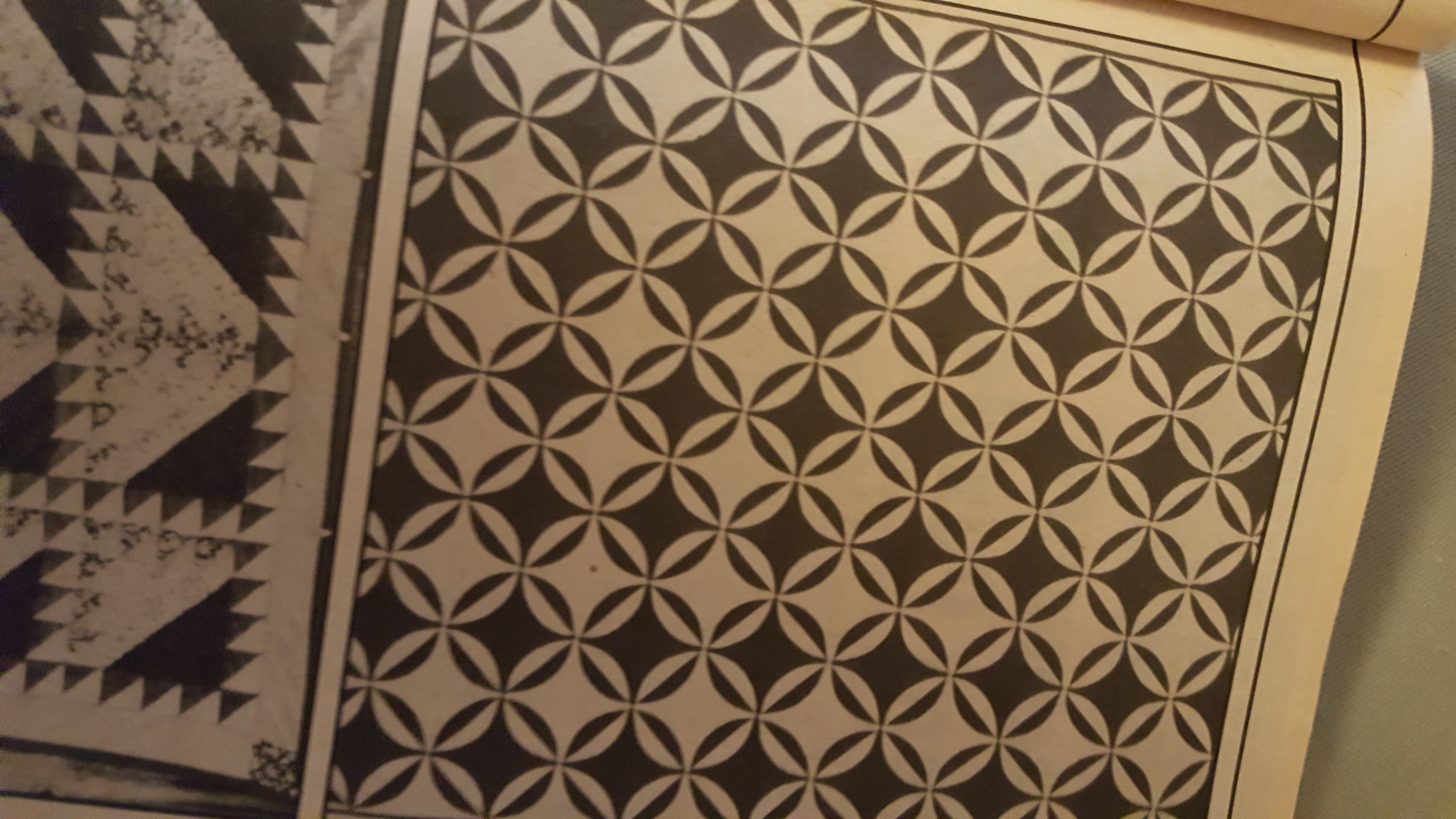
Well… here we go. The Mount Everest of quilting: the Dear Jane. Two hundred and twenty‑five blocks, each measuring just 4½ inches. It’s a test of traditional piecing, English paper piecing, and blind appliqué skills woven together in one iconic quilt. There are many variations on the original, and this one will be mine.
I’m setting out on this journey and inviting you to come along—not only for company, but to help keep me accountable and this project on track. My plan is to group blocks by technique and complete four each week. I’ll be referencing Brenda Manges Papadakis’ chronicle of the quilt and its history. The original was completed in 1863 during wartime and contains 5,602 individual pieces. In the bottom right corner, the maker left her mark, timeless.
My “Baby Jane”
These variations are often called Baby Janes: not quite the original and certainly not period‑correct in technique or materials. Mine will be pink (because PINK) and black. At first, I thought I’d stick to one pink and one black throughout the quilt, but I’ve pivoted. Instead, I’m leaning into my stash and embracing the true spirit of a stash‑buster—meaning no new fabric purchases.
The Fabric–Thread–Needle Trinity
Even while stash‑busting, the quality of your materials matters. Always keep in mind the quilting trinity: fabric, thread, and needle.
- For 100% cotton fabric, I’m piecing with cotton quilting thread and using a universal needle.
- For embroidery, I’m using silk thread with a silk needle, so the thread melts into the weave.
Grain line matters—these blocks are tiny, and accuracy is everything. While there isn’t much opportunity for fussy cutting, take time to consider how your print will land in each block.
And now, a hill I will happily die on: Pre‑wash your fabric.
Yes—again for the ones in the back—PRE‑WASH.
I don’t typically pre‑wash quilting cotton, but with blocks this small and this detailed, any bleeding or warping becomes an unnecessary challenge. I recommend pre‑washing in ORVUS (linked on the Shopping page) using cold water.
Precision Is Everything
Precision cutting will make or break this quilt. Being off by just 1/16 of an inch, repeated 225 times, can leave your quilt nearly 7 inches out of square. It adds up fast!
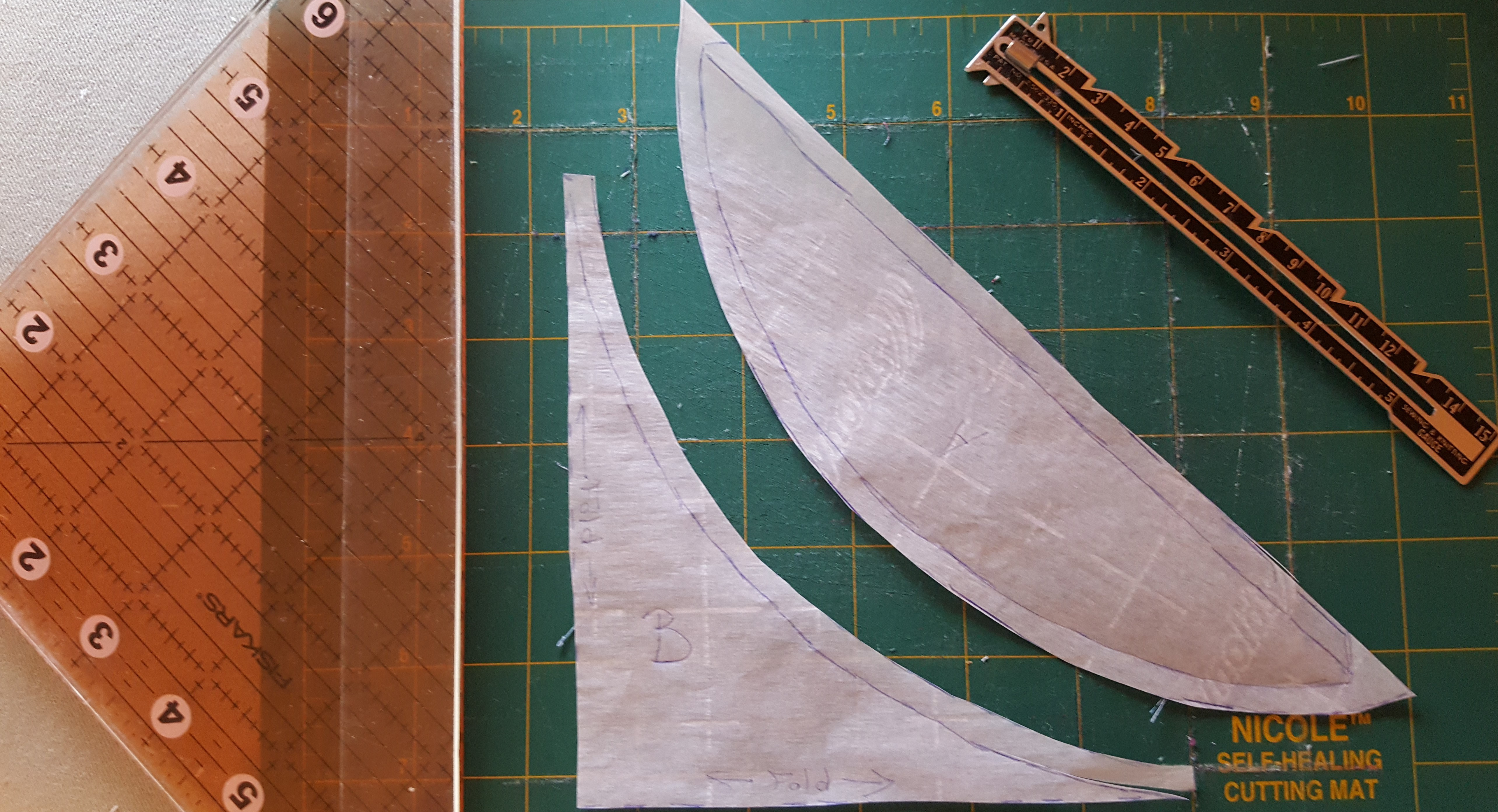
I personally prefer Fiskars scissors and rotary cutting tools (linked on the Shopping page). For templates, I use Reynolds freezer paper (also linked there).
Rulers are essential as well. Modern rulers are more accurate than vintage ones, but the key is consistency. Whatever ruler you begin with, use it throughout the entire project. I’ll be using my Fiskars 3″ × 18″ acrylic ruler—it’s my go‑to for smaller blocks.
Pins and Needles
Pinning is critical for accuracy. Clover straight pins are slim and sharp, making them ideal for precision work. I recommend:
- #11 and #12 sharps for hand‑piecing and appliqué
- Size 70 and 80 needles for machine piecing
If you’re comfortable with fabric adhesive, that works too. I struggle with blind appliqué, so I’ll be using a bit of adhesive to keep things under control.
Come Along on the Journey
If you’re curious to see this Baby Jane come to life block by block—or if you just enjoy cheering from the sidelines—I’d love for you to follow along.
✨ Follow the Blog: stay updated with weekly progress, tips, and mishaps
✨ Visit the Website: resources, tools, and the Shopping page with my favorite products
✨ Join me on Facebook: community chats, photos, and in‑the‑moment updates
✨ And wherever else you follow creators—whatnot, socials, you name it
Your encouragement keeps this project alive, square, and (mostly) un‑seam‑ripped.
Shall we climb this quilting mountain together? 🧵⛰️💗
 This Lil Pig Studios